
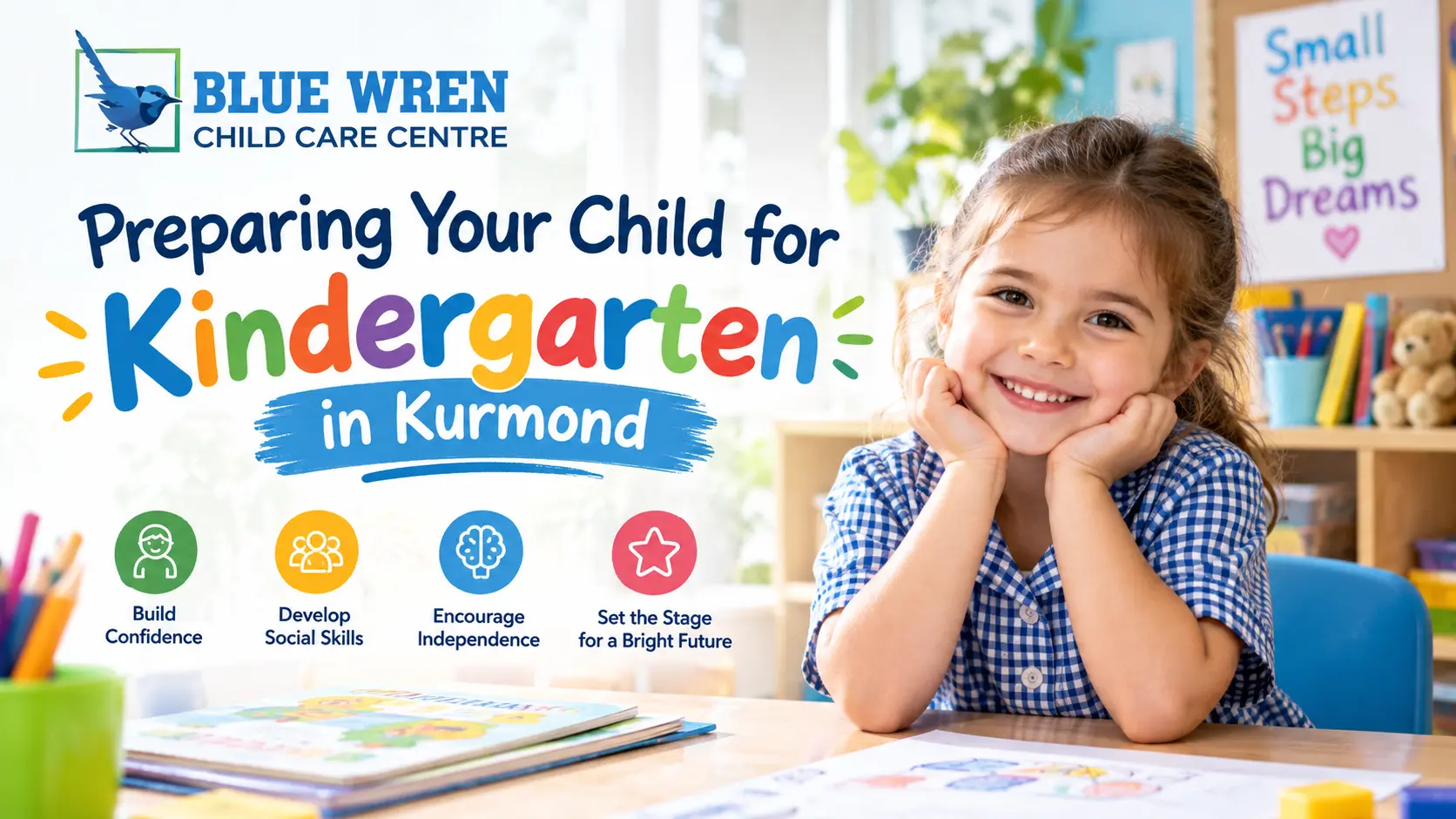
Starting kindergarten is an important milestone in your child’s life. It brings with it a whole new set of experiences, including routines, friends, activities, and learning opportunities. This transition can often be daunting for parents as children are required to make adjustments to this new environment. They must be given enough time to adapt to a new way of life in an organised setting. But the good news for parents is that home can be a great staging ground for instilling some of these skills. Simple activities will help ensure that your child has the necessary skills in place to succeed in school.
Build a Simple Daily Routine
Young kids are more relaxed when there is certainty around their day. First, you need to set a simple routine around your house. Ensure that you have fixed timings for waking up, eating, playing, reading, and sleeping. You must stick to the routine as closely as possible. This makes the child aware of what will happen next. Give them some minor responsibilities as part of the routine. This can be asking the child to keep the toys in their places or putting shoes at their designated spots.
Encourage Independence
Starting school brings lots of new tasks and activities that your child will need to learn. It may mean learning to open a lunch box, pack belongings, or go to the bathroom by themselves. Help your child prepare for this by giving them some practice in carrying out these tasks. For example, encourage them to dress themselves or prepare simple snacks with your guidance. Teach your child to carry their own bag and take care of their belongings. Do not jump in too quickly. Allow your child a chance to try on their own and make mistakes.
Develop Communication Skills
Having good communication skills gives kids more self-confidence when they are in unknown surroundings. Allow the child to speak about what they want and what they feel. Make conversations with the child regularly during the day. Ask how their day was and listen carefully to what they say. Teach them simple phrases that can be used to ask for help. Play acting common situations with the child. Pretend to be a teacher or another kid in similar situations. Work on greetings, using polite phrases, and asking questions during the group activities.
Make Learning Fun
Kids learn best when the experience is fun and relevant. There is no need to turn the home into a classroom. Alternatively: make learning a part of daily life – read books together and predict the future! Count whilst you are shopping and/or whilst cooking and point out the colours, shapes, sounds and numbers playing. In natural and play-based learning childcare centre environments the children can be led. They can participate in a range of play opportunities and use play to experiment with ideas physically with others and within games.
Help Your Child Build Social Confidence
The idea of actually making new friends is scary but interesting. Before starting kindergarten, it is important to help your child get interaction with other children. Organise playdates or trips to the local parks. Urge your child to be willing to share toys and wait for his/her turn. Teach him/her to express emotions with the help of words instead of feeling angry. Good skills in socialising will be necessary to build good relationships with classmates. The best childcare centre Kurmond can offer children plenty of opportunities to practise socialising.
Visit the Kindergarten Beforehand
Familiarity in an unfamiliar setting can lessen anxiety for kids. Arrange a visit to the kindergarten before your child’s first day. Show your child how they will get into the kindergarten and briefly describe the flow of their day. Motivate them to feel excited by meeting new teachers and kids. Make sure to keep your explanations at a level appropriate for the child’s age. Be careful not to overwhelm them with information; ask them to share their ruminations and doubts. If the child is stressed, comfort him by saying it is perfectly normal to feel nervous in a new situation.
Choose the Right Early Learning Environment
A suitable early childhood environment can shape the child’s confidence in kindergarten. Seek out educators who appreciate the unique characteristics of every child. Discover ways the centre supports independence, creativity and communication. Get information about the typical daily schedule. Also, be aware of the patterns of how educators reach out to families. Parents searching for a kindergarten in Kurmond should consider early education providing a balanced upbringing of children without excessive pressure.
Prepare Emotionally for the First Day
Children may have different feelings throughout their first day of school. Let them express their emotions. Do not make it sound as if the first day is a test. Either tell them what this is, and that is where it will be full of learning, games and socialisation. Create a positive goodbye. Keep it relaxed. A long and emotional goodbye might make separation harder for a child. After your child gets back from school, it is also good to ask them about their day, what they enjoyed, and what they found challenging. Listen to them and do not criticise what they say.
Give Your Child Time to Adjust
Every single child develops differently; some children can settle to a new regime much faster than others. Focus on the development rather than perfection. Take the time to celebrate milestones such as making a new friend or talking to a teacher or finishing an activity alone. A childcare centre that utilises a play-based learning childcare centre system can help children through this slow process by providing them with the tools that they need in order to learn and develop through real-life experiences.
When searching for the best childcare centre Kurmond, parents must take various factors into account, such as the educators involved, the learning approach being used, and the type of communication happening there. Preparing your child for kindergarten in Kurmond does not require you to undertake complicated things. Simple things like routines, play, conversations, and small doses of responsibility can make a huge difference.